
BENIN BRONZES & IVORY
Master bronze casters of the Igun Eronmwon guild created plaques and heads that told stories of power, royalty, and immortal identity.
From 13th-century Benin Kingdom bronze guilds to the streets of Lagos and Benin City today. How Nigerian youth take sacred heritage, thrift culture (Okrika), and raw street energy to express who they are.
The iconic symbols, materials, and artistic mastery of the Benin Kingdom.
Master bronze casters of the Igun Eronmwon guild created plaques and heads that told stories of power, royalty, and immortal identity.

Red coral (Ivie) represents sacred authority, royal majesty, and spiritual weight. Today, youth remix coral beads with street denim and oversized hoodies.

Ododo (crimson red cloth) and royal motifs carry protection and authority. They form the foundational color palette of modern Edo streetwear drip.
From Igue festival regalia to Okuku crown hairstyles and local Edo tailoring hands.
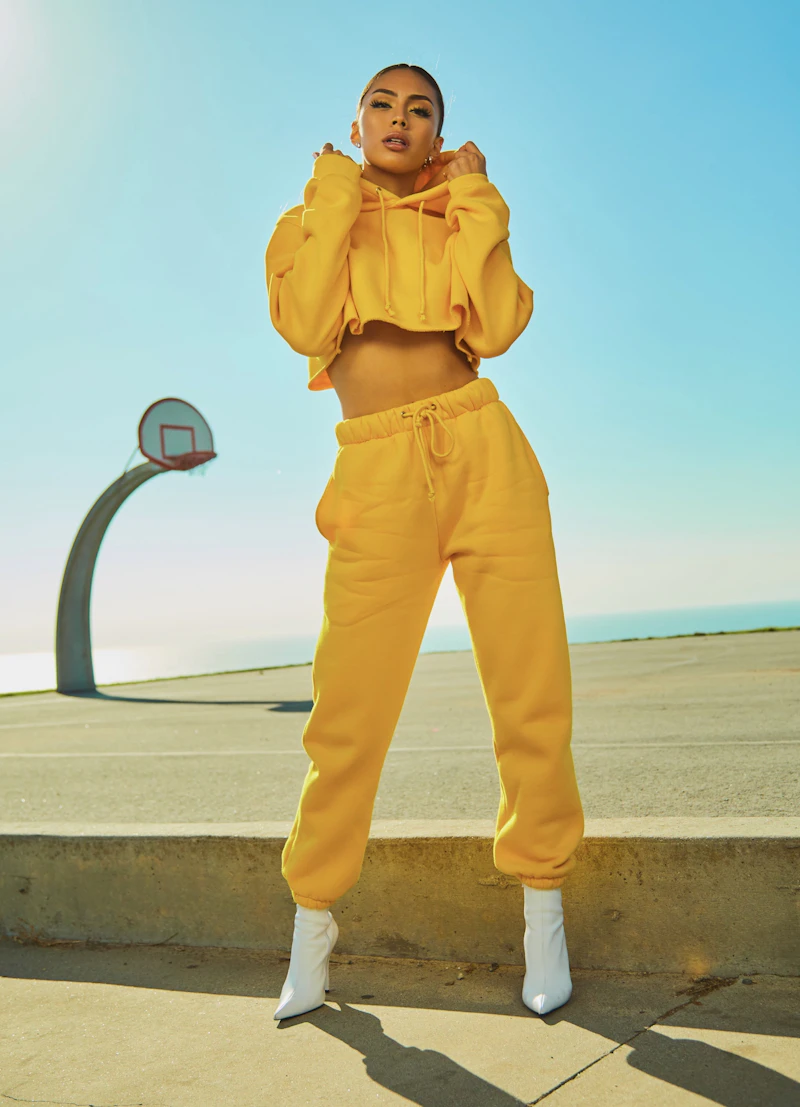
The annual Igue festival in Benin City is a spectacle of coral, velvet, and gold regalia. It inspires how young creatives approach high-energy street dressing.

Edo tailors have long been masters of structure and custom fitting. Local workshops continue turning woven fabrics and heavy cottons into street statements.

Sculptural coral-beaded Okuku crowns worn by Edo brides and royalty are reinterpreted by modern youth in headwear, durags, and braided hair art.
How Nigerian youth take heritage and Okrika thrift to build their own drip.

Markets in Yaba, Katangua, and Benin City taught a generation that drip doesn't need big money — it needs taste, upcycling, and attitude.
Streetwear as language and protest wear. Slogans, graphic tees, and oversized silhouettes carry messages of resistance and youth pride.

Brands like WAF, Severe Nature, Vivendii, and Ashluxe born in garages and university hostels prove Nigerian youth shape global style.
Real street style looks worn by Nigerian and Edo youth.
Read our published editorials tracing the Nigerian streetwear story.